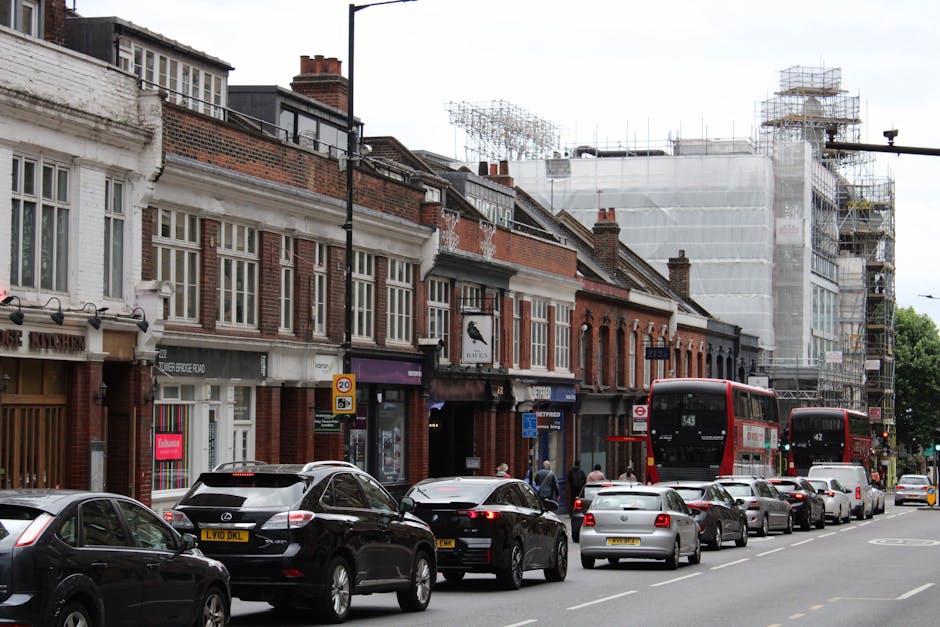
Narrow access flat removals on Holloway Road common problems

Moving a flat sounds simple enough until you meet a tight stairwell, a narrow hallway, a front door that barely opens fully, and a van waiting outside in a street that never seems to be quite wide enough. That is the everyday reality behind Narrow access flat removals on Holloway Road common problems. If you are moving in or out of this part of North London, the job can go smoothly - but only if you understand the pinch points before moving day arrives.
In this guide, we break down the most common access issues, why they matter, how a good removal plan is built around them, and what you can do to avoid last-minute stress. We will also cover practical packing decisions, timing, property checks, and the sort of small details that can make the difference between a calm move and a messy one. To be fair, most removal headaches are predictable once you know where to look.
Why Narrow access flat removals on Holloway Road common problems Matters
Narrow-access flats are a different kind of move. The real issue is rarely the distance between addresses. It is the geometry of the building itself: tight staircases, split-level landings, shared entrances, awkward turns, and limited roadside space. On Holloway Road, those problems can stack up quickly, especially in older conversions, mansion blocks, and upper-floor flats with no lift. One bad assumption can slow everything down.
When access is tight, every part of the move becomes more sensitive. Larger items take longer to carry. More people may be needed to handle heavy furniture safely. Parking and loading may need a bit more thought. Even simple jobs - like getting a sofa through a front door - can become awkward if the route has a sharp bend just inside the entrance. And yes, the staircase always seems narrower when you are carrying a wardrobe.
There is also the matter of protecting the property. Narrow hallways can easily scuff walls, chip paint, or damage bannisters if items are not padded properly and moved with care. That matters to tenants, landlords, and owners alike, because a removal day should not end with repair costs. A well-planned flat move reduces stress, protects furniture, and keeps the whole process moving at a sensible pace.
If you are still weighing up service choices, it can help to look at the wider support available through flat removals and removal services, especially when the building access is not straightforward. In our experience, the more awkward the route, the more valuable proper planning becomes.
Table of Contents
- Why Narrow access flat removals on Holloway Road common problems Matters
- How Narrow access flat removals on Holloway Road common problems Works
- Key Benefits and Practical Advantages
- Who This Is For and When It Makes Sense
- Step-by-Step Guidance
- Expert Tips for Better Results
- Common Mistakes to Avoid
- Tools, Resources and Recommendations
- Law, Compliance, Standards, or Best Practice
- Options, Methods, or Comparison Table
- Case Study or Real-World Example
- Practical Checklist
- Conclusion
- Frequently Asked Questions
How Narrow access flat removals on Holloway Road common problems Works
A narrow-access removal is not really about force. It is about sequence, measurement, and timing. A good move begins before a van turns up. First, someone checks the property access: stairs, lift size, door widths, corridor bends, parking space, and the distance from the vehicle to the entrance. Then the team decides which items can be moved as-is and which may need partial dismantling or extra wrapping.
The next stage is route planning. If the building has a long internal carry, items might need to be loaded in a specific order so the heaviest or most fragile pieces are dealt with first. If the road outside is busy, the team may need to work with a shorter loading window. On a street like Holloway Road, where traffic and parking can be less forgiving than people expect, timing matters almost as much as lifting technique.
After that comes the practical handling: padding doorframes, protecting communal areas, using straps and blankets, and moving items with enough people to keep them balanced. Smaller loads can be moved through tighter spaces more safely than oversized, overpacked cartons. A good mover will often prefer a few neat trips over one dangerous, overloaded carry. That sounds boring. It is. But boring is good when a fridge and a stairwell are involved.
If you are moving with a lighter load or need flexible support, a man and van option may suit smaller flat moves, while larger or more complex jobs may need a bigger vehicle such as a removal van or a moving truck. The right choice depends on the size of the load, the access restrictions, and how much loading time you actually have.
Key Benefits and Practical Advantages
The biggest benefit of handling narrow access properly is not speed; it is control. When a move is planned around access constraints, you reduce the chance of damage, delays, and forced improvisation. That has a knock-on effect on everything else. Fewer mishaps. Less shouting up stairwells. Fewer panic moments with a table that is suddenly too wide for the landing.
- Less risk of damage: Careful route planning reduces scuffs on walls, stair rails, doors, and furniture.
- Better time management: Knowing the access limitations in advance helps the removal team schedule realistically.
- Lower physical strain: A measured approach reduces unnecessary lifting and awkward carrying.
- Smarter vehicle choice: You avoid paying for a vehicle that is too big, too small, or awkward to park.
- Cleaner handover: Fewer issues means less stress with landlords, neighbours, or building managers.
There is also a softer advantage: peace of mind. People often underestimate how draining a move can feel when the flat has difficult access. Once the route is properly mapped out, you can focus on the actual move rather than constantly wondering whether that wardrobe will make the turn. If you want added reassurance, it is worth checking insurance and safety and the company's health and safety policy before booking.
Who This Is For and When It Makes Sense
This type of move is relevant for anyone leaving or entering a flat where access is not easy. That includes top-floor apartments, converted houses with steep stairs, basement flats with narrow entries, and buildings with no lift or a tiny lift that cannot take larger furniture. It also applies if the only legal parking spot is a fair walk away from the door. Not glamorous, but common.
It makes particular sense for:
- Tenants moving in or out of older Holloway Road flats
- First-time renters with limited furniture but tricky access
- Students carrying boxes, monitors, bikes, and small desks
- Couples moving a compact home's worth of possessions
- Landlords arranging a quick turnaround between tenancies
- People with bulky items such as beds, wardrobes, or sofas that may need dismantling
It can also suit short-notice moves. If keys are delayed, a building manager gives you a tight time slot, or you need help on the same day, a service like same day removals can be useful where timing is the biggest issue. For student moves, the balance is often between price, speed, and how much carrying the team can manage in one go; that is where student removals may be a better fit.
Step-by-Step Guidance
- Measure the access properly. Check stair width, lift dimensions, hallway corners, and the height of any bannisters or low ceilings. Do not guess. Guessing is how sofas end up stuck halfway through a doorway.
- List the awkward items first. Make a quick inventory of anything large, heavy, fragile, or oddly shaped. Beds, wardrobes, mirrors, exercise bikes, and dining tables are the usual suspects.
- Ask about dismantling. Some furniture simply moves better in parts. Remove legs, headboards, handles, and loose shelves where possible.
- Plan the loading point. Decide where the van can stop and how long the carry will be from the flat to the vehicle. A short walk can become a long one when you are doing five trips with cardboard boxes.
- Protect the building. Use blankets, corner protection, and care around walls and doors. If the building has shared areas, think about lifts, mats, and noise too.
- Pack for the route, not just the room. Heavy boxes should stay manageable. Overfilled cartons are a bad idea on stairs because they are awkward to grip and more likely to burst.
- Confirm timing and access rules. Some blocks have moving hours, lift bookings, or loading restrictions. Build your day around those, not the other way round.
If you are putting together the move from scratch, services like packing and boxes and packing and unpacking services can save a lot of hassle. That is especially true when the staircase is tight and every extra item in your hands makes the journey slightly less graceful. Which, let's face it, it usually does.
Expert Tips for Better Results
Small details matter more than people think. The move can be going fine, then one awkward turn changes the pace entirely. These are the habits that make narrow-access removals easier.
- Keep pathways clear before the team arrives. Shoes, plants, recycling bags, and loose cables are easy trip hazards.
- Use smaller boxes for books and kitchenware. A box that is easy to lift is worth more than one giant box that nobody wants to pick up.
- Take doors off if needed. In some properties, removing a door can create just enough extra room for the larger items.
- Label by room and priority. It helps the unload go faster, especially if the van is parked a bit further away than ideal.
- Leave fragile items for the least congested part of the day. Early in the move, everyone is fresher and the route is cleaner.
- Check the weather. Rain on a busy London pavement adds extra slips, slippery cardboard, and generally more faff than you want.
A practical tip from day-to-day experience: take a quick photo of the stairwell, hallway, and front entrance before moving day if you are unsure. It gives the removal team a better feel for the job. And if a lift is involved, note whether it is large enough for furniture or only really useful for boxes. That sort of detail avoids wasted time. Sometimes it is the smallest note that saves the whole morning.
Common Mistakes to Avoid
Most problems with narrow access flat removals are not dramatic. They are ordinary mistakes that snowball. The good news is that most of them are preventable.
- Underestimating the space. A flat may look roomy until you try to move a sofa through it.
- Not checking parking in advance. If the van cannot stop nearby, the carry takes longer and the cost may rise.
- Packing boxes too heavy. Heavy, overstuffed boxes are a nightmare on stairs and more likely to split.
- Leaving disassembly until moving morning. That is how people end up searching for an Allen key at 7:15 a.m.
- Ignoring shared building rules. Lift bookings, noise limits, and loading instructions can all affect the day.
- Forgetting fragile finishes. Glossy banisters, freshly painted walls, and glass panels need extra care.
The biggest mistake, though, is pretending the access problem is "probably fine". Maybe it will be. Maybe not. But a removal team cannot plan for what it does not know. Clear information at the start nearly always leads to a calmer move later.
Tools, Resources and Recommendations
You do not need specialist gear for every move, but a few basic tools and sensible preparations go a long way. The right kit helps when corridors are narrow and every turn feels tighter than the last.
| Tool or item | Why it helps | Best used for |
|---|---|---|
| Furniture blankets | Protects finishes from scrapes and knocks | Wardrobes, tables, drawers, headboards |
| Straps and ties | Keeps items secure during transport | Boxes, appliances, stacked items |
| Bubble wrap or paper wrap | Cushions fragile surfaces | Mirrors, lamps, decorative items |
| Small, sturdy boxes | Easier to carry up and down stairs | Books, kitchen items, files |
| Basic tool kit | Helps with quick dismantling | Beds, shelving, removable legs |
For people comparing support levels, furniture removals is a useful option if bulky items are the main challenge, while removal companies may be worth considering if you want broader support across packing, loading, and transport. For larger households, home moves and house removals can cover more complete relocation needs. There is no prize for choosing the most complicated setup.
Law, Compliance, Standards, or Best Practice
Flat removals in London often involve practical compliance rather than complicated legal detail. The main thing is to follow the rules that affect the property, the pavement, the vehicle, and the safety of everyone involved. That usually means respecting building access instructions, keeping communal areas clear, parking legally, and handling items in a way that reduces risk.
Best practice also includes proper insurance, careful loading, and sensible lifting methods. If a company works in a way that looks rushed or casual around heavy items, that is worth questioning. A well-run removal should feel controlled, not frantic. You want confidence, not improvisation with a wardrobe on a staircase.
For businesses moving into or out of a narrow-access property, the same principles apply, just with more moving parts. In that case, commercial moves and office removals may be relevant where office furniture, equipment, or stock needs a more structured approach. If items must be stored for a while between addresses, storage can help reduce pressure on moving day.
It is also sensible to read the provider's terms and conditions, pricing and quotes information, and payment and security guidance before booking. That is not just admin. It helps you understand what is included, what may cost extra, and how the company handles expectations if access turns out to be more difficult than planned.
Options, Methods, or Comparison Table
Not every narrow-access move needs the same setup. The best choice depends on how much you are moving, how difficult the building access is, and how quickly you need the job done.
| Approach | Best for | Strengths | Watch-outs |
|---|---|---|---|
| Man and van | Smaller flats and lighter loads | Flexible, straightforward, often cost-effective | May be less suitable for very bulky furniture |
| Removal van | Typical flat moves with moderate furniture | Good balance of space and manoeuvrability | Still needs realistic access planning |
| Moving truck | Larger loads or more complex relocations | More capacity, fewer trips | Parking and street access can be harder |
| Full removal service | Heavier or more delicate moves | Broader support, better for awkward properties | Usually more planning needed up front |
In plain English: if the flat is small and the access is tight, a nimble setup is often better than a giant vehicle. But if there are three wardrobes, a sofa bed, and a dining table with a mind of its own, you may need more capacity and a more experienced team. Simple as that.
Case Study or Real-World Example
Imagine a two-bedroom flat just off Holloway Road, on the third floor of a converted building. The staircase turns sharply halfway up, the lift is too small for anything beyond boxes, and there is only a short loading area outside. Nothing impossible, but enough to make the move awkward if nobody plans ahead.
In that sort of case, the smart approach is usually to dismantle the bed frame, remove table legs, wrap the mirror separately, and keep the heaviest boxes for the first run while everyone is still fresh. A compact vehicle may be better than something oversized, because parking close to the entrance matters more than having a huge empty load bay. The team would likely protect the doorway, check the route before lifting, and keep the stairwell clear by moving items in a steady sequence rather than trying to rush.
The result? Less stopping and starting, fewer knocks against the walls, and a calmer handover at the end. The move is still work, of course. No one is pretending otherwise. But instead of feeling like a crisis, it becomes a managed job. That is the difference good access planning makes.
Practical Checklist
Use this checklist before moving day. It is simple, but it catches most of the avoidable problems.
- Measure stairways, doors, and lift dimensions
- Identify bulky items that may need dismantling
- Confirm parking and loading access near the building
- Check building rules, lift booking requirements, and moving hours
- Pack heavy items into smaller boxes
- Protect fragile items with the right wrapping
- Clear hallways, landings, and entrance routes
- Set aside tools for quick furniture breakdown
- Tell the removal team about any tight corners or unusual access points
- Keep important documents, keys, chargers, and valuables separate
Expert summary: the best narrow-access flat move is rarely the fastest one on paper. It is the one that has been measured, labelled, and planned around the building rather than around wishful thinking.
If you are ready to talk through your move, you can explore the wider service options at removals and choose the support level that fits your flat, your furniture, and your timetable. If you want a clearer picture before booking, start with a quote and ask questions early rather than late.
Get a free quote today and see how much you can save.
Conclusion
Narrow access flat removals on Holloway Road are rarely about one big problem. More often, they are a series of small ones: a tight stairwell, a stubborn sofa, a parking space that is just a bit too far away, a lift that is too small, or a hallway that needs more care than you first expected. Handle those well, and the move becomes manageable. Ignore them, and the whole day can feel harder than it should.
The safest path is simple: measure carefully, pack sensibly, choose the right vehicle and service level, and be honest about the access conditions from the start. That approach saves time, protects your belongings, and makes the move feel more human, less chaotic. And honestly, that is what most people want on moving day - just a clean, steady finish and a front door that closes behind the last box.
Take it one step at a time. The rest tends to follow.
Frequently Asked Questions
What are the most common problems with narrow access flat removals on Holloway Road?
The most common issues are tight staircases, narrow hallways, small lifts, limited parking, and long carries from the van to the entrance. Older conversions can also bring awkward bends and low ceilings, which make bulky furniture harder to move.
How do I know if my sofa or bed will fit through the stairwell?
Measure the width of the item and compare it with the narrowest point on the route, including corners and landings, not just doorways. If there is any doubt, ask about dismantling options before moving day.
Is a man and van service enough for a narrow-access flat move?
It can be, if the load is small and the items are manageable. For larger furniture, difficult staircases, or more complicated access, a bigger removal van or a fuller removal setup may be more suitable.
What should I tell the removal team before the move?
Tell them about stairs, lifts, parking, loading restrictions, entrance width, awkward furniture, and any building rules. The more specific you are, the better they can plan the job. A quick note can save a lot of dragging around later.
Do I need to dismantle furniture before moving out of a flat?
Not always, but it often helps. Beds, wardrobes, tables, and shelving units are much easier to move when partially dismantled. It also reduces the risk of damage to walls and furniture on tight turns.
How can I protect the building during a narrow-access move?
Use furniture blankets, door protection, and careful handling around walls, bannisters, and floors. Keep communal areas clear and move steadily rather than rushing. That is usually where accidents happen.
Are narrow-access flat removals more expensive?
They can be, because they may take longer and require more care or extra labour. The exact price depends on the size of the load, access difficulty, parking, and timing. A clear quote is the best way to understand the likely cost.
What if the van cannot park right outside the building?
Then the carry distance increases, which can add time and effort. It is worth checking parking and loading options in advance so the removal team knows what to expect. Short walks can turn into long ones very quickly when you are carrying boxes.
Can I book short-notice help for a difficult flat move?
Sometimes yes, depending on availability and the size of the move. Services such as same day removals may suit urgent situations, but it is still best to give as much information as possible about access issues.
What is the best way to pack for a flat with stairs?
Use smaller, sturdier boxes, keep heavy items low, and avoid overfilling. Label boxes clearly and keep fragile items well wrapped. Boxes that are easy to carry are much safer on stairs than oversized ones that wobble.
Do student moves face the same access problems on Holloway Road?
Often, yes. Student flats and shared houses can have narrow staircases, limited parking, and bulky items packed into a short move window. A dedicated student removals option can be useful when the move is small but still awkward.
Should I get storage if my new flat is not ready yet?
If your dates do not line up, storage can take the pressure off and stop the move from becoming too rushed. It is especially helpful when access is difficult and you do not want to force everything into a tight same-day handover.
What is the single biggest mistake people make with narrow-access moves?
Assuming the access will be fine on the day. It sounds harmless, but it is the reason many moves become stressful. Clear measurements and honest planning usually solve the problem before it starts.