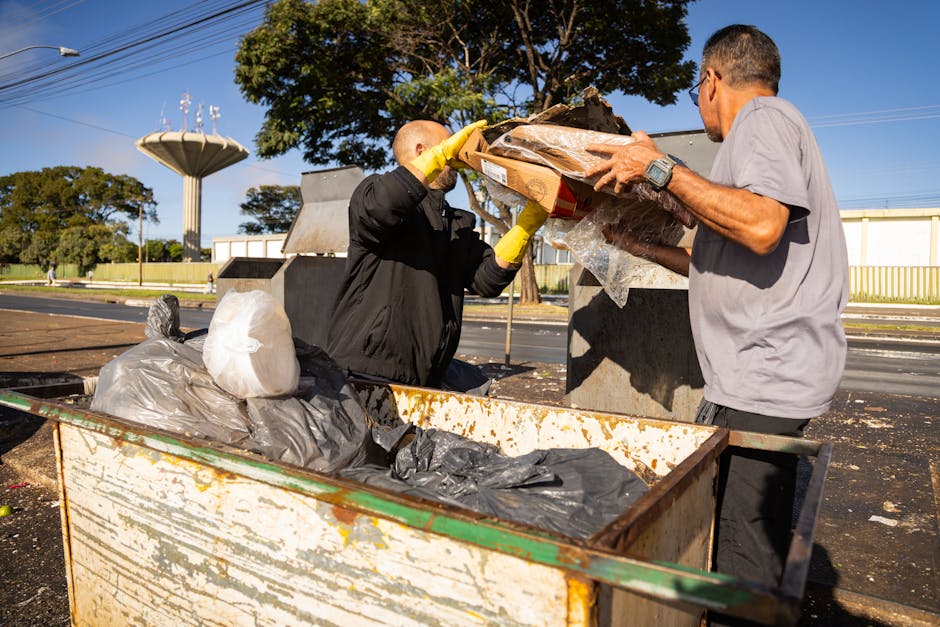
Waste disposal rules for Holloway removals bulky items guidance
If you are planning a move in Holloway and need to get rid of bulky items, the process can feel more complicated than it first looks. A sofa that seemed simple to lift suddenly becomes a question of waste rules, access, timing, safe handling, and what can legally go where. This guide to Waste disposal rules for Holloway removals bulky items guidance breaks everything down in plain English, so you can make sensible decisions without guesswork or stress.
Whether you are clearing a flat, emptying a family home, or sorting out a one-off item that will not fit in the lift, the right approach saves time, avoids fines and reduces the chance of damage on the stairwell. It also helps you choose between reuse, recycling, collection, or a removal service. Truth be told, the best bulky waste plan is usually the one you sort out before moving day, not on the morning itself.
Table of Contents
- Why Waste disposal rules for Holloway removals bulky items guidance Matters
- How Waste disposal rules for Holloway removals bulky items guidance Works
- Key Benefits and Practical Advantages
- Who This Is For and When It Makes Sense
- Step-by-Step Guidance
- Expert Tips for Better Results
- Common Mistakes to Avoid
- Tools, Resources and Recommendations
- Law, Compliance, Standards, or Best Practice
- Options, Methods, or Comparison Table
- Case Study or Real-World Example
- Practical Checklist
- Conclusion
- Frequently Asked Questions
Why Waste disposal rules for Holloway removals bulky items guidance Matters
Bulky items create a different set of problems from ordinary household rubbish. You cannot just leave a wardrobe beside the bins and hope for the best. In a busy part of North London like Holloway, shared entrances, limited parking, tight stairwells, and flat-share turnover make waste handling a genuine logistical issue.
The rules matter because bulky disposal is not only about tidiness. It also affects safety, access, cleanliness, and compliance. A mattress in the wrong place can block an exit. Broken furniture left in a communal hallway can become a trip hazard. An item handed to the wrong person for disposal can still end up being fly-tipped, which is the sort of headache nobody wants.
There is also a practical side. If you know what counts as waste, what can be reused, and what must be treated as a special item, you can plan a removal much better. That is especially useful when you are booking a service like removals or arranging help for a larger home clear-out where bulky items are only one part of the job.
And for businesses, the stakes are higher still. Office furniture, filing cabinets, desks, display units, and electronic equipment often require a more careful route. In that setting, using office removals or commercial moves support can make the difference between a smooth handover and a last-minute scramble.
Expert summary: bulky waste is not just "stuff you no longer want". It is an operational, safety, and compliance issue. If you treat it like normal rubbish, problems tend to show up later, usually at the worst possible moment.
How Waste disposal rules for Holloway removals bulky items guidance Works
The basic principle is simple: bulky items should be assessed before removal so they can be routed correctly. That means deciding whether the item should be reused, donated, recycled, collected as bulky waste, or moved as part of a removal job. Not every object belongs in the same category, and that distinction matters a lot.
In practice, the process usually follows a few stages. First, identify the item and its condition. Then check whether it can be dismantled safely, whether it contains materials that need special handling, and whether access at the property allows it to be carried out without causing damage. After that, choose the most suitable disposal or removal route.
For example, a solid wooden chest of drawers in decent condition might be better reused or repurposed. A cracked sofa with exposed springs may be better sent for responsible disposal. A piano is neither of those things, of course; it usually needs specialist handling, and many people pair that with piano removals because the weight and awkward shape make it a job for experienced movers.
When bulky items are being removed from homes or flats, the physical route matters almost as much as the item itself. If your place has narrow stairs, shared corridors or limited kerb space, the removal method should be chosen carefully. In some cases, a smaller vehicle such as a removal van is more practical than a larger truck. Other times, especially where there are multiple bulky items, a moving truck is the better fit.
One thing people often overlook is packaging. Even when an item is going to disposal, it may still need wrapping or padding to protect walls, lifts, and door frames. Services such as packing and boxes or packing and unpacking services are not just for tidy movers; they can also reduce the mess and make bulky waste handling less chaotic. A bit boring perhaps, but very effective.
Key Benefits and Practical Advantages
Getting bulky waste rules and removal planning right has real advantages. Some are obvious, some only become clear halfway through moving day when you are standing in a hallway with a sofa that will not fit past the bannister.
- Safer handling: fewer injuries, fewer dropped items, and less strain on lifts, stairs, and backs.
- Cleaner exits and common areas: no clutter left in hallways or on pavements.
- Better reuse and recycling outcomes: items that still have life in them can be directed the right way.
- Lower risk of accidental damage: the right plan protects walls, floors, and door frames.
- Less stress on moving day: the job feels organised instead of improvised.
- More efficient vehicle use: fewer wasted trips and less space taken by items that should have been sorted earlier.
There is a quieter benefit too: confidence. Once you know where everything is going, you stop second-guessing yourself. That can be a relief when the rest of the move is already demanding enough.
If you are moving a whole property, bulky waste planning works best alongside the wider move schedule. People often pair it with home moves, flat removals, or house removals so that unwanted items, keepers, and fragile belongings all move on separate, sensible tracks.
Who This Is For and When It Makes Sense
This guidance is useful for anyone in Holloway dealing with bulky items, but a few groups feel the benefit most strongly.
- Residents in flats and maisonettes: tight access and shared spaces make bulky disposal more awkward.
- Landlords and letting agents: end-of-tenancy clearances often involve mixed items and tight deadlines.
- Students: move-outs often include furniture, monitors, and small appliances that are too large for normal bins; this is where student removals can be very handy.
- Businesses: office desks, chairs, storage units, and IT kit need a more structured approach.
- Households downsizing: when you are reducing what you own, bulky waste decisions are often part of a bigger emotional sort-out. Not always easy, that.
It also makes sense if you are not sure whether the item should be disposed of, donated, stored, or moved. If you are between homes, for instance, some items may be worth keeping but not ready to place in the new property. In that case, a short-term option like storage can help you avoid making rushed decisions.
For anyone comparing help options, a flexible man and van arrangement can be suitable for lighter loads, while bigger clear-outs may call for a more comprehensive removal services approach. The right answer depends on how much you are moving, how bulky it is, and how much lifting is involved. Simple enough in theory, less simple in a third-floor walk-up.
Step-by-Step Guidance
If you want the cleanest possible approach, work through the process in order. Skipping steps usually creates the awkward bit later.
- Make a full list of bulky items. Write down sofas, beds, wardrobes, desks, mattresses, white goods, cabinets, and any awkward extras like broken shelving or garden furniture.
- Sort by destination. Separate items into keep, sell, donate, recycle, and dispose. Be ruthless, but not silly. If you will genuinely use it, keep it.
- Check item condition. Decide whether an item is safe to move, safe to dismantle, and worth the space it will take.
- Measure access. Measure doorways, stairs, lifts, and turns. This is where many plans go sideways. A tape measure saves arguments.
- Identify anything sensitive. Electronics, items with sharp edges, batteries, or anything containing fluids should be handled with care.
- Choose the disposal route. Reuse, donate, recycle, bulky waste collection, or professional removal. Match the route to the item, not the other way around.
- Book the right support. If the move is simple, a small van may be enough. If it is bigger or time-sensitive, consider same-day removals or a larger removal setup.
- Prepare the property. Clear hallways, protect floors, and keep a straight path to the exit.
- Label what stays and what goes. This sounds basic, but confusion often starts with one unlabelled pile in the corner.
- Check the final sweep. Look behind doors, under beds, in cupboards, and on balconies. Bulky items have a habit of hiding.
For office environments, the same method applies, but with extra care around documents, monitors, cables, and fixed furniture. A structured move through office relocation services can help keep disposal and transport separate, which is usually the safest route.
Expert Tips for Better Results
Here are a few things that make a real difference in practice.
- Dismantle early where safe: flat-pack furniture, bed frames, and shelving units often become much easier to manage once broken down.
- Keep hardware together: put screws and fittings in a labelled bag taped to the item. A tiny thing, but it saves time later.
- Protect communal areas: if you are moving through shared hallways, use covers or blankets. It shows respect and reduces friction with neighbours.
- Avoid mixed piles: keep disposal items separate from keepers. Mixed piles slow everything down.
- Plan for awkward weather: a rainy Holloway morning and a mattress do not make friends.
- Think about item value: if something is still in good condition, it may be better to repurpose than dispose of.
- Match the vehicle to the load: a van is not always enough, and a truck is not always the best answer either.
One useful habit is to treat bulky waste planning as part of the move, not a side quest. That mindset makes the day much calmer. You start asking the right question: what is the easiest lawful route for this item? Not what is the quickest way to make it disappear.
If you want a more economical move overall, it also helps to compare pricing carefully before booking. A service page like pricing and quotes can be useful when you are weighing up how much support you actually need. And if the move involves valuable or fragile belongings, it is worth checking insurance and safety information as part of your decision-making.
Common Mistakes to Avoid
Most bulky waste problems are not dramatic. They are small mistakes that snowball. The good news is they are easy to avoid once you know the pattern.
- Leaving items in communal spaces: this can create access issues and complaints very quickly.
- Assuming everything can go out together: some items need different handling, especially mixed materials or electrical goods.
- Underestimating access problems: many people focus on weight, but height, corners, and stairs can be just as tricky.
- Forgetting disposal timeframes: if you are working to a tenancy end date or handover deadline, you need a buffer.
- Not checking whether items can be reused: throwing away usable furniture is a missed opportunity and, frankly, a bit wasteful.
- Booking too late: the last 24 hours before a move are never the best time to start figuring out what to do with a bed base.
Another common slip is neglecting to protect the property. A few extra minutes with blankets, tape, and floor coverings can save hours of repair stress. It is one of those painfully unglamorous details that pays off.
Tools, Resources and Recommendations
You do not need fancy equipment, but a few basics make bulky item handling much smoother.
- Tape measure: for doors, lifts, stair turns, and item dimensions.
- Protective blankets or wraps: to reduce scuffs on walls and furniture.
- Marker pens and labels: for sorting keep, move, recycle, and dispose.
- Basic tools: screwdrivers, hex keys, and small spanners for dismantling furniture.
- Gloves: useful for grip and protection when handling rough surfaces.
- Boxes or bags for fittings: keep small parts together so they do not vanish into the usual moving-day black hole.
On the service side, it helps to use providers whose work is clearly explained and operationally sensible. For example, if you need a straightforward collection of a few items, furniture pick up may be more appropriate than a full-scale move. If the item count is larger, furniture removals could be the better fit.
For businesses or residents who need more reassurance around responsibility and conduct, company pages such as about us, recycling and sustainability, and health and safety policy can be useful background reading before you commit. They help you understand how the work is likely to be handled.
Law, Compliance, Standards, or Best Practice
Bulky waste disposal in the UK is shaped by a mix of local rules, general waste duties, and common-sense best practice. The exact details can vary by council area and by the type of item involved, so it is wise to check the relevant local requirements for your address rather than assuming one rule fits all.
In broad terms, the safest approach is to make sure waste is transferred to a legitimate handler, not left somewhere it should not be, and not handed off casually to someone who cannot explain where it will go. That matters because householders and businesses can still be affected if waste is fly-tipped after collection. Not ideal. Not even slightly.
Some items also need special care. Electrical goods, mattresses, upholstered furniture, fridges, freezers, and anything with batteries or fluids may require separate handling or recycling routes. If in doubt, treat those items cautiously and ask how they will be managed.
Best practice also includes worker safety and property protection. Safe lifting technique, clear walkways, and proper vehicle loading are not optional extras. They are the basics that keep everybody out of trouble. If a company has clear information on terms and conditions and insurance and safety, that is a good sign they take the operational side seriously.
For customers, the practical rule is simple: ask how bulky items will be sorted, carried, and disposed of before the job begins. If the answer is vague, keep asking. A little awkwardness now is better than a mess later.
Options, Methods, or Comparison Table
Different bulky item situations call for different methods. Here is a straightforward comparison.
| Method | Best for | Strengths | Limitations |
|---|---|---|---|
| Reuse or donation | Good-condition furniture and usable household items | Reduces waste, often faster to clear if suitable | Not suitable for damaged, unsafe, or heavily worn items |
| Bulky waste disposal | Items that are no longer usable | Simple for one-off unwanted items | May require sorting and can be slower at busy times |
| Professional removals | Moves with mixed keep/dispose items | Flexible, organised, less physical strain | May cost more than a one-item collection |
| Specialist handling | Pianos, heavy cabinets, awkward or valuable pieces | Safer for difficult items and tighter access | Needs the right expertise and planning |
| Storage first | Items you are not ready to decide on | Buys time and reduces rushed choices | Not a disposal method, just a pause button |
In many real moves, the best answer is a mixture. A couple of items go to storage, one sofa goes for collection, the desk stays, and the rest moves with the household. That blended approach is normal. In fact, it is often the most efficient one.
Case Study or Real-World Example
A common Holloway scenario goes like this. A tenant is leaving a two-bedroom flat near the station. There is an old sofa, a bed frame, a desk, and a chest of drawers to deal with. Some items are still usable, but the bed frame is broken and the sofa has seen better days.
The smart move is not to wait until the last evening. Instead, the tenant checks access, measures the stairwell, and separates the items into categories. The desk and chest of drawers are kept for the next property. The sofa is assessed for disposal. The bed frame is dismantled early, with screws bagged and labelled. The tenant books a van-sized collection for the items that need to leave and keeps the rest clear for the move itself.
That approach keeps the hallway clear, prevents last-minute panic, and reduces the chance of a scratched wall or a missed checkout deadline. Simple, yes. Easy? Not always. But it works.
We have found that people usually feel much calmer once the bulky items are no longer a vague worry in the background. The room suddenly looks larger. The noise drops a little. The move feels manageable again.
Practical Checklist
Use this checklist before your bulky item removal or disposal day.
- List every bulky item that needs attention
- Decide whether each item is keep, sell, donate, recycle, or dispose
- Measure the item and the route out of the property
- Check for dismantling needs and keep the fixings together
- Protect floors, corners, and communal areas
- Confirm vehicle size and access arrangements
- Separate electrical items, batteries, and special materials
- Book any required collection or removal support early
- Keep pathways clear on the day
- Do a final sweep before leaving the property
If you tick most of those boxes, you are in pretty good shape. If not, do a quick reset before moving anything. It is far better to pause for ten minutes than to rush straight into avoidable trouble.
Conclusion
Bulky item disposal in Holloway is easiest when you treat it as part of the move plan, not an afterthought. The right Waste disposal rules for Holloway removals bulky items guidance helps you protect the property, stay organised, and choose a sensible route for every large item. That may mean reuse, collection, specialist handling, storage, or a removal service depending on what you are dealing with.
The main thing is to decide early. Once the item list is clear, the rest gets easier surprisingly quickly. You will know what stays, what goes, and what needs special care. And honestly, that clarity can make a long moving week feel much less heavy.
Get a free quote today and see how much you can save.
When the boxes are stacked and the hallway is finally clear, the calm afterward is worth the planning. One good decision at a time, that is usually how a smooth move begins.
Frequently Asked Questions
What counts as a bulky item in a Holloway removal?
Bulky items are large objects that are too big, heavy, or awkward for normal household waste collection. Typical examples include sofas, wardrobes, mattresses, beds, desks, cabinets, and large white goods.
Can I leave bulky waste in a communal hallway?
No, that is generally a bad idea. It can block access, create trip hazards, and cause problems for neighbours or building management. Keep items in your own space until they are ready to go.
Should I dismantle furniture before disposal or removal?
Usually, yes, if it can be done safely. Dismantling furniture makes carrying easier and reduces the risk of damage. Just keep the screws and fittings together so you are not hunting for them later.
What should I do with a sofa that is still in good condition?
If a sofa is clean, safe, and usable, it may be better to reuse, donate, or pass it on rather than treat it as waste. That is often the most sensible and least wasteful option.
Are electrical items handled differently from furniture?
Yes, they often are. Electrical goods and items with batteries or plugs may need separate handling, so do not mix them casually with ordinary furniture or general rubbish.
Is a man and van suitable for bulky item disposal?
It can be, depending on the size and number of items. A man with a van style service works well for smaller loads, while bigger clear-outs may need a larger or more specialist setup.
What if I need to clear items quickly before a tenancy ends?
If time is tight, book early and be clear about what needs to go. In some situations, same-day removals may be the most practical option, but it is still better to plan ahead if you can.
How do I decide between storage and disposal?
Ask yourself whether the item has real future value, whether you have space for it, and whether you are just postponing a decision. If you are unsure, short-term storage can buy time and reduce rushed mistakes.
Do office bulky items follow the same logic as home items?
Broadly, yes, but offices often involve more coordination, especially around desks, filing units, and equipment. For that reason, office removals are usually the tidiest way to manage them.
How can I reduce the risk of damage during bulky item removal?
Measure access points, protect floors, use blankets or wraps, and keep pathways clear. Most damage happens because people rush or underestimate the route out, not because the item itself is unusual.
What is the most common mistake people make with bulky waste?
The biggest mistake is leaving the decision too late. Once that happens, people start using the nearest option rather than the right one, and that is when costs, stress, and confusion tend to rise.
Where does sustainability fit into bulky item disposal?
It fits right at the start. If an item can be reused, repaired, or recycled responsibly, that route is usually better than disposal. A thoughtful approach helps reduce waste and makes the whole move feel cleaner.