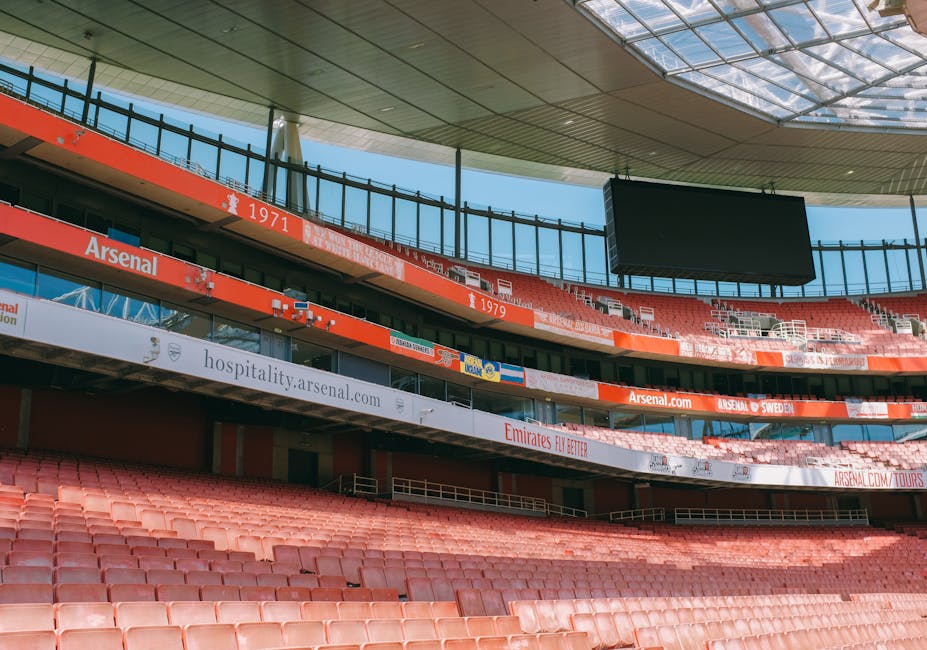
Emirates Stadium moving access guide for Holloway removals
If you are moving near Emirates Stadium, the first thing you notice is not the distance on a map. It is the access. Roads pinch up. Matchday traffic appears out of nowhere. Delivery bays can disappear under a row of parked cars. And suddenly a simple house move in Holloway feels a lot more complicated than it looked on paper.
This Emirates Stadium moving access guide for Holloway removals is here to make the process clearer. Whether you are shifting from a flat off Holloway Road, moving into a terrace near Seven Sisters Road, or trying to unload a van without blocking the street, the right access plan saves time, stress, and avoidable damage. Truth be told, most moving problems in this area are not about lifting boxes. They are about the few metres between the van and your front door.
Below you will find practical steps, local considerations, common mistakes, and a simple framework for planning a better move. We will also point you to useful services and guides, including our removal services overview, man with a van in Holloway, and specialist support such as flat removals in Holloway or house removals in Holloway when the move needs a bigger setup.
Why Emirates Stadium moving access guide for Holloway removals Matters
Emirates Stadium sits in one of the busiest, most movement-sensitive parts of north London. The area is a mix of residential streets, event traffic, bus routes, loading restrictions, and the kind of narrow access that can turn a five-minute unload into a half-hour puzzle. If you are planning removals in Holloway, that matters a lot.
Access is not just about whether a van can physically get near the property. It affects the whole move: how many trips you need, whether you can use a tail lift, how safely furniture is carried, and even whether your booking should happen on a non-match day. One overlooked parking restriction can throw everything off. A driver may have to circle the block. A sofa may have to be carried much farther than expected. And that adds strain, cost, and risk.
For that reason, good moving advice in this part of London has to be location-aware. It should consider road layout, timing, building access, neighbours, and the realities of moving in a dense urban area. That is where a local team can make life easier. If you want a broader view of how services are structured, take a look at the removals Holloway page and the removal companies in Holloway overview to compare what a local provider can handle.
Key point: near Emirates Stadium, the success of a move often depends less on the van and more on the access plan. The shorter the carry, the easier the day tends to feel.
How Emirates Stadium moving access guide for Holloway removals Works
The guide works by breaking the move into access decisions before anyone starts lifting. That sounds simple, but it is exactly what prevents last-minute chaos. Start with the property, then the street, then the van position, then the route from door to vehicle. In other words: think backwards from the loading point.
Here is the basic flow many local removals teams use:
- Assess the property type. Is it a ground-floor flat, a top-floor apartment, a maisonette, or a house with front garden steps?
- Check street access. Look for parking bays, permit controls, yellow lines, timed restrictions, bus lanes, or narrow turning space.
- Map the carry distance. Count the walk from van to door, especially if there is no direct kerbside stopping point.
- Plan the lifting path. Door widths, stair turns, lifts, banisters, and hallway clutter all matter.
- Match the vehicle to the job. A compact van may be easier to park, while a larger vehicle can reduce the number of trips.
- Confirm the timing. Avoiding matchday congestion around Emirates Stadium can be the difference between a calm move and a slow one.
This is also where service selection matters. A simple collection might suit man and van Holloway support, while bigger homes or multi-room moves usually benefit from a more complete removal service in Holloway. If you are unsure which approach fits, the safest answer is to look at the access first, not after the booking is made.
Small detail, but important: a front-facing building that looks easy from the street may still be awkward inside. Many Victorian conversions around Holloway have tight staircases, awkward landings, and narrow internal corners. That is where experience counts. Anyone can say "yes, no problem." Not everyone can get a wardrobe around the second-floor bend without scuffing the wall.
Key Benefits and Practical Advantages
A clear access guide does more than make the day run on time. It improves nearly every part of the move. For one thing, it helps you reduce heavy carrying, which lowers the chance of damage to furniture and the property. It also helps the team prepare the right number of movers, the right tools, and the right vehicle size.
Some of the main benefits are straightforward:
- Less wasted time because the van can be positioned more efficiently.
- Lower risk of damage to walls, bannisters, floors, and fragile items.
- Better price control since access issues can increase labour time if they are not planned for.
- Less stress on moving day because nobody is improvising at the kerb.
- Safer handling for bulky items such as sofas, beds, fridges, or pianos.
There is also a customer experience benefit that people often underestimate. A move feels calmer when the first 20 minutes go well. If the vehicle arrives, parks without drama, and unloading starts smoothly, the rest of the day usually follows that rhythm. If it starts with a blocked entrance and a parking dispute, well... you can probably guess the mood.
If you are still planning what to move and what to leave behind, a little pre-move sorting goes a long way. Our guide on decluttering for moving success and the article on organised packing ideas can help you reduce load and make access easier.
Who This Is For and When It Makes Sense
This guide is useful for anyone moving in or around Holloway, but it is especially helpful if your property is near the Emirates Stadium corridors where traffic and parking can become unpredictable. In practical terms, it suits:
- Residents moving from flats with limited stairwell space.
- Families relocating from terraced houses near busy roads.
- Students moving in or out with smaller loads and tighter time windows.
- Landlords, agents, and tenants coordinating same-day handovers.
- Anyone moving on a weekend, during event periods, or close to parking restrictions.
It also makes sense if you are moving unusual items. For example, a piano needs special handling and access checks. The same goes for oversized mattresses, heavy sofas, or appliances that do not like being tilted, twisted, or rushed. For those jobs, you may want to review piano removals in Holloway and the practical advice in entrusting your piano's journey to professionals.
And if you are moving out of a compact flat, then access planning is even more valuable. With a small hallway and one awkward staircase, every extra metre matters. That is where flat removals Holloway support can be a better fit than a generic one-size-fits-all approach.
Step-by-Step Guidance
Here is a practical, no-nonsense way to plan your access around Emirates Stadium and Holloway. It is not fancy. It just works.
1. Check your moving date against local traffic patterns
Start by checking whether your move falls near a home match, major event, or busy weekend. Even if you are not crossing the stadium directly, traffic spillover can affect side streets. If possible, choose a quieter window. Early morning usually gives you a better shot at calmer streets, but that is not a magic fix. Sometimes it still feels busy by 8:15.
2. Walk the route from door to kerb
Literally walk it. Open the front door, look for steps, measure narrow points, and note any places where furniture must turn or lift. If you are moving a bed, sofa, or wardrobe, this route matters more than the postcode. You can also use the advice in easy bed and mattress transportation and sofa care and storage to avoid unnecessary strain on larger items.
3. Confirm parking and stopping options
Look for where the van can legally stop, even if only for loading. In London, the difference between a good spot and a poor one can be a few metres. If you are unsure, ask the local mover to assess parking in advance. Better still, share a photo of the street and the front of the property. A good team can often spot access issues from a couple of pictures.
4. Split items by handling difficulty
Not every box deserves the same treatment. Fragile pieces, bulky items, heavy books, awkward furniture, and appliance loads should be grouped separately. That way the crew can work in a sensible order, rather than tripping over a random pile of half-packed bags. If you need stronger packing support, have a look at packing and boxes in Holloway.
5. Decide whether one van trip is enough
For small or medium moves, a single load can be efficient. For larger homes, multiple trips may add cost and time. A bigger vehicle may be better if parking allows it. If parking does not allow it, a smaller van with more trips could be the practical choice. This is one of those annoying little trade-offs that looks obvious only after the move. Before, not after.
6. Build in a buffer for the unexpected
Near Emirates Stadium, small delays happen. A parked delivery truck, a school run, an event queue, or a badly timed road closure can all slow access. If you leave zero buffer, you are asking for stress. Build in time for the normal London stuff that happens without warning.
Expert Tips for Better Results
Local moving experience teaches you a few things that are not always obvious from reading a service page. The first is that access is not just a vehicle problem. It is a communication problem. The better the information you share before moving day, the fewer surprises you get.
Here are some practical tips that tend to make a real difference:
- Send photos of both ends of the move. The property entrance, stairs, hallway, and street view all help.
- Measure the difficult items first. Sofas, wardrobes, beds, and large appliances are the usual troublemakers.
- Keep hallways clear. A tidy route makes moving faster and safer, even if the rest of the flat is still mid-pack.
- Label fragile items clearly. It sounds basic, but clear labels matter when the day gets busy.
- Use the right service level. A smaller collection is one thing; a larger household move is another.
One more thing: if you are doing a ground-floor move and think that means nothing can go wrong, think again. Ground-floor usually helps, yes. But tight front doors and small corridors can still create a bottleneck. We have seen a dining table sail through easily while a single chair became the awkward one. Moves do enjoy irony sometimes.
If your move also involves disposal, recycling, or leaving items behind, the recycling and sustainability page is useful to review. It can help you plan a cleaner handover and avoid dragging unwanted items to the new place for no reason.
Common Mistakes to Avoid
A lot of access problems are preventable. The issue is usually not bad luck; it is a missed detail. That is encouraging, actually, because it means you can fix most of the risk before moving day.
- Booking without checking parking. A van that cannot stop legally or safely creates knock-on delays.
- Ignoring matchday traffic. Near Emirates Stadium, that is asking for trouble.
- Underestimating stair difficulty. A move upstairs can be slower than expected, especially with bulky furniture.
- Not measuring doorways. A few centimetres can matter more than you think.
- Packing too late. Last-minute packing often leads to awkward, unbalanced boxes that are harder to carry.
- Leaving access notes out of the booking. The mover should know about lifts, codes, restricted entry, and timed loading spaces.
The biggest mistake of all? Assuming the job is just "van plus boxes." It usually is not. It is van, boxes, timing, route, access, and a dozen tiny variables that all need to play nicely on the day. That sounds fussy, but it is exactly what avoids damage and delay.
Tools, Resources and Recommendations
You do not need specialist equipment for every move, but a few basic tools make access far easier. If you are moving in a tighter Holloway street, these are worth considering:
- Furniture blankets to prevent scratches in tight hallways.
- Straps and trolleys for heavier items and easier loading.
- Good packing tape and labels so boxes stay shut and sorted.
- Protective floor covering if the route includes polished wood or delicate flooring.
- Phone photos or a simple sketch of the access route for the removals team.
Sometimes the best resource is simply a bit of planning time. Spend ten minutes thinking about the route, and you save far more than ten minutes later. If you want a better sense of what can be moved by vehicle versus stored temporarily, the storage in Holloway page can be helpful, especially if access timing and completion dates do not line up neatly.
For extra moving prep, these guides are also useful:
- your guide to lifting heavy objects solo
- zen in-house moving techniques
- a flawless pre-move clean plan
Law, Compliance, Standards, or Best Practice
For moves around Emirates Stadium, the main compliance concern is usually parking, loading, and safe vehicle use. Exact restrictions can vary street by street and may change, so it is sensible to verify local parking rules and timing before the move rather than assuming last month's arrangement still applies. If loading takes place on a controlled street, check the conditions carefully and plan accordingly.
From a safety point of view, best practice matters just as much as formal rules. That means using proper lifting techniques, protecting common areas in shared buildings, and avoiding unsafe manual handling. If an item is too awkward or heavy for a safe carry, that is the moment to slow down, not push through. In practice, sensible handling is often what prevents the mistake that leads to a damaged wall or a strained back.
For anyone comparing providers, it is also sensible to look at the company's trust and service pages. You can review insurance and safety information, health and safety policy, and accessibility statement to understand how a business approaches risk, care, and customer needs.
That mix of practical awareness and formal diligence is what gives you a smoother move. Not glamorous, perhaps. But effective.
Options, Methods, or Comparison Table
Different access conditions call for different moving methods. The best choice depends on road access, item size, time pressure, and how much carrying is involved. Here is a simple comparison to help you think it through.
| Method | Best for | Strengths | Watch-outs |
|---|---|---|---|
| Man and van | Small to medium moves, quick collections, tight budgets | Flexible, often easier to park, good for shorter jobs | May need multiple trips for larger homes |
| Full removal service | House moves, more furniture, busy moving days | More support, better for complex access, faster loading flow | Needs clearer advance planning |
| Flat removals support | Apartment blocks, stairs, limited entry points | Suited to narrow spaces and communal access issues | Lift availability and stair use can still slow things down |
| Same-day removals | Last-minute moves, short notice changes | Fast response, useful when timelines shift | Less time for detailed access planning |
If you are comparing options, start with access, not price. A cheap quote can look appealing until the crew has to carry everything twice as far as expected. On the other hand, the right-sized service for your street can make the move feel surprisingly smooth. For short-notice situations, same-day removals in Holloway may be worth exploring, while pricing questions can be clarified on the pricing and quotes page.
Case Study or Real-World Example
Imagine a second-floor flat near Holloway Road, a few minutes from Emirates Stadium. The resident has a sofa, a bed frame, a mattress, three medium boxes of books, and a couple of fragile kitchen cartons. On paper, it looks manageable. In practice, the stairs are narrow, the hallway turns sharply, and the nearest legal parking spot is not directly outside the building.
The move goes better because the access is checked early. Photos are sent ahead of time. The mover brings blankets, straps, and a trolley. The van parks where it can be loaded without blocking traffic. The bed frame is taken apart before moving day, which helps a lot. The books are packed into smaller boxes rather than overfilled monster boxes that nobody wants to lift. Small decisions, really, but they stack up.
The result is not magical. It is just organised. And that is usually what a good move near Emirates Stadium looks like: not dramatic, not rushed, just properly thought through. If the resident also needed help with the mattress and sofa, then the relevant guidance on bed and mattress transport and sofa storage care would have reduced the risk of damage even more.
Practical Checklist
Use this checklist before moving day. It is simple, but it catches a lot of avoidable issues.
- Check whether your moving day clashes with an Emirates Stadium event or heavy traffic period.
- Confirm where the van can park or stop safely.
- Measure doors, stair turns, hallways, and any tight corners.
- Identify the bulkiest, heaviest, or most fragile items first.
- Tell the removals team about lifts, access codes, and communal entry rules.
- Prepare labels for boxes by room and priority.
- Clear the route from the front door to the collection point.
- Set aside essentials you will need immediately after arrival.
- Have a backup plan for parking or timing delays.
- Keep your contact phone charged and easy to reach on the day.
If you want a cleaner moving day overall, it is also worth reading about pre-move cleaning and checking how to prepare properly through our about us page. A tidy property and a clear access route make each other easier. Funny how that works.
Conclusion
An Emirates Stadium move is not usually difficult because of the boxes. It is difficult because of the access. Once you understand that, the whole process becomes easier to manage. Plan the route. Check parking. Choose the right vehicle. Avoid matchday pressure where possible. And share accurate information early so the removals team can prepare properly.
For Holloway residents, that kind of planning is often the difference between a move that feels chaotic and one that feels controlled. Not perfect, because moving rarely is. But controlled, efficient, and a lot less draining. And that matters. It really does.
If you are ready to compare services or talk through your access concerns, the next step is straightforward.
Get a free quote today and see how much you can save.
Frequently Asked Questions
What is the Emirates Stadium moving access guide for Holloway removals?
It is a practical guide to planning removals around the Emirates Stadium area, with a focus on parking, street access, timing, and safe loading in Holloway.
Why does access matter so much near Emirates Stadium?
Because traffic, event schedules, narrow streets, and parking restrictions can all affect how close a van can get and how long the move takes.
Should I avoid moving on matchdays?
If you can, yes. Matchdays often bring heavier traffic and more difficult parking, which can slow loading and unloading. A quieter day is usually easier.
Is a man and van service enough for a move in Holloway?
It depends on the size of the move and the access. For smaller or lighter moves, it can be ideal. For larger homes or awkward access, a fuller removal service may be better.
How do I know if my street is suitable for a removal van?
Check whether a van can stop legally and safely nearby, and whether there is room for loading without blocking traffic. Photos and street details help a lot.
What should I tell the removals company before moving day?
Share details about parking, stairs, lifts, access codes, building rules, large furniture, and anything that could slow the move down.
Can bulky furniture be moved through narrow hallways?
Often yes, but it depends on measurements, angles, and how the item breaks down. Sofas, wardrobes, and beds are the usual items to check first.
Do I need special help for a piano move near Emirates Stadium?
Usually yes. Pianos need careful handling, proper equipment, and good access planning because they are heavy, awkward, and easy to damage if rushed.
What happens if parking is unavailable on the day?
The team may need to park further away and carry items longer, which can add time. That is why checking parking in advance is so useful.
Are storage options useful during a move in Holloway?
Yes, especially if dates do not line up or access is temporarily awkward. Storage can give you breathing room while you finalise the next step.
How far in advance should I arrange my move?
As early as possible if you are moving near a busy area like Emirates Stadium. More notice usually gives more choice over timing and vehicle planning.
What is the biggest mistake people make with access planning?
They assume the van can park close enough without checking. In this area, that assumption can cause delays, extra carrying, and unnecessary stress.